Growth, governance & global solutions for funds, corporations and UHNWIs
Our governance and administrative solutions are tailored to your requirements, whether you are managing funds, a global entity or your personal wealth. From market entry, launch, incorporation and setup to reporting, governance and ongoing compliance, we design our services around your needs and goals.
SERVICES
Breaking barriers at the base of business
Our comprehensive range of services are designed to seamlessly align with your unique needs and business goals. You can rely on experts to handle the behind-the-scenes matters, allowing you to focus on growing bolder.



ADDING VALUE TO YOUR BUSINESS
Governance and administration services designed just for you
Empowering Growth Through Experience and Reach
With over 600 professionals across 20 countries, we deliver tailored governance, corporate, fund and family wealth solutions globally.
Employees
600+
Years of experience
45+
Major Cities
21
Countries
20
Assets Under Administration
$75B+
Companies Set Up
15K+
Stay Ahead with Fresh Insights and Real-Time Updates
From market trends to company news, explore stories, strategies and updates that help you make informed decisions—wherever you are in your journey

LOCATION
Find a Bolder Office Near You

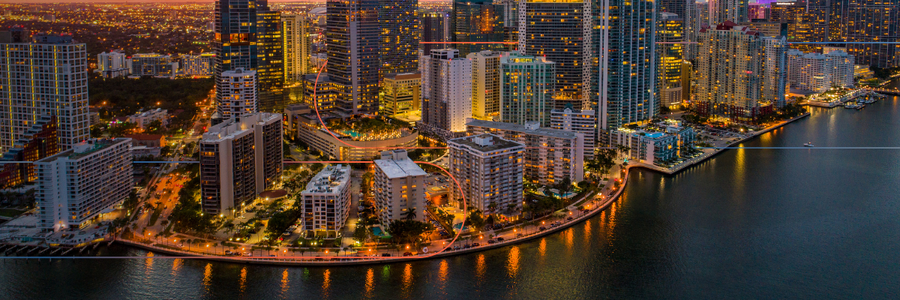
United States
1200 Brickell Avenue, Suite 510, Miami, FL 33131, USA Florida, USA
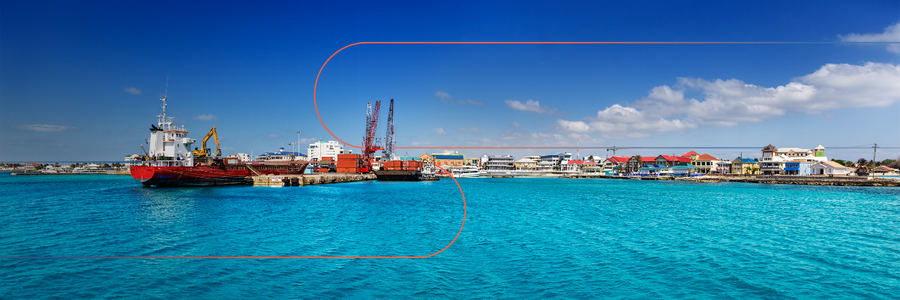
Cayman Islands
23 Lime Tree Bay Avenue, West Bay Road P.O. Box 30746 SMB KY1-1203 Cayman Islands
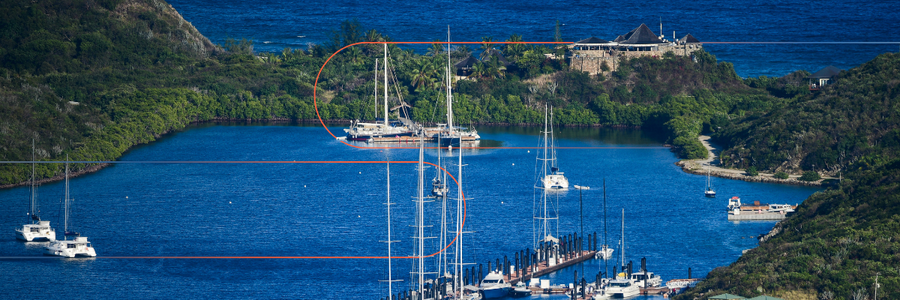
British Virgin Islands
P.O. Box 116, Road Town Tortola British Virgin Islands
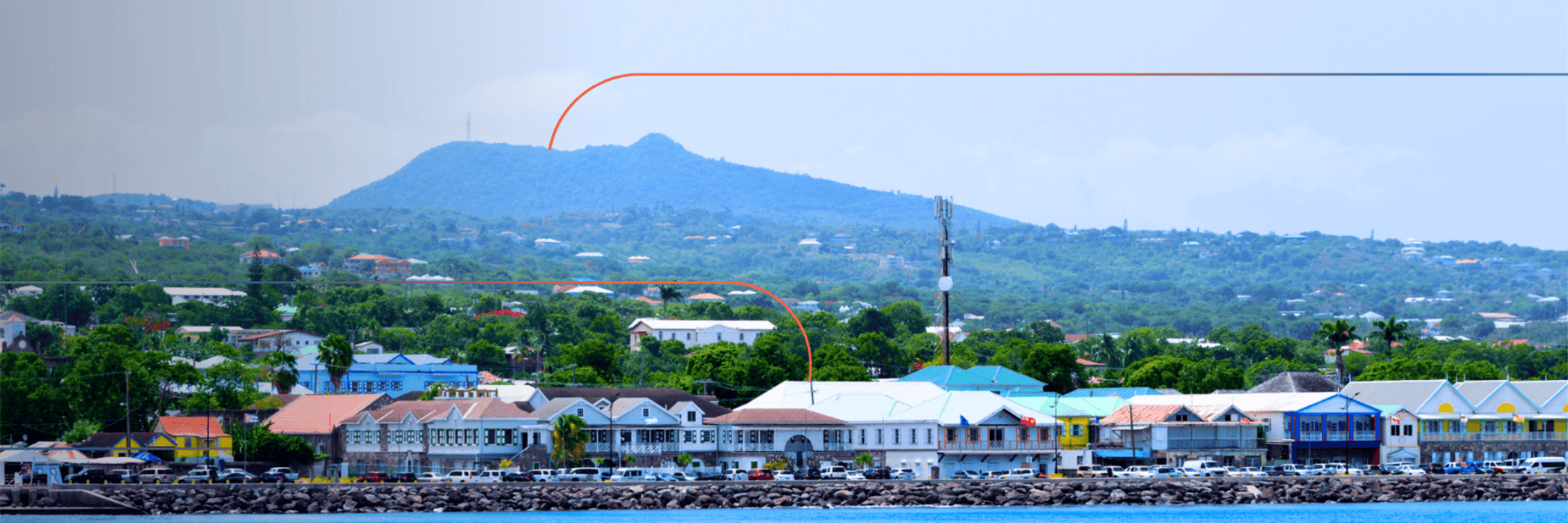
Nevis
Hunkins Waterfront Jewels Main Street, Charlestown PO Box 733, Nevis
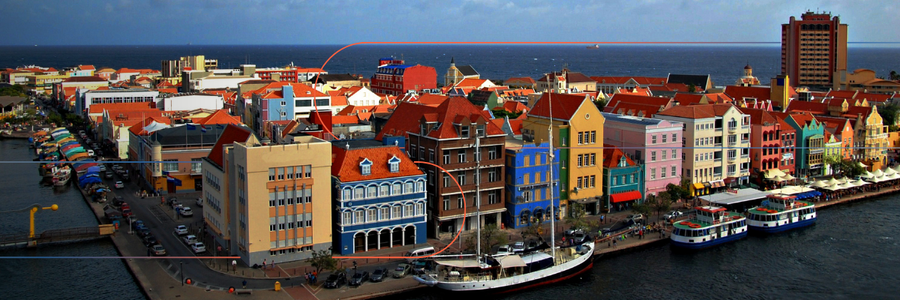
Curaçao
Pareraweg 45, 4th Floor P.O. Box 4881 Willemstad Curacao
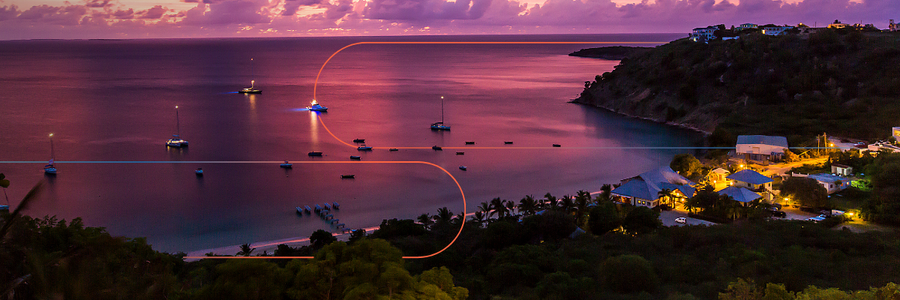
Anguilla
Cosely Drive The Valley Anguilla, British West Indies
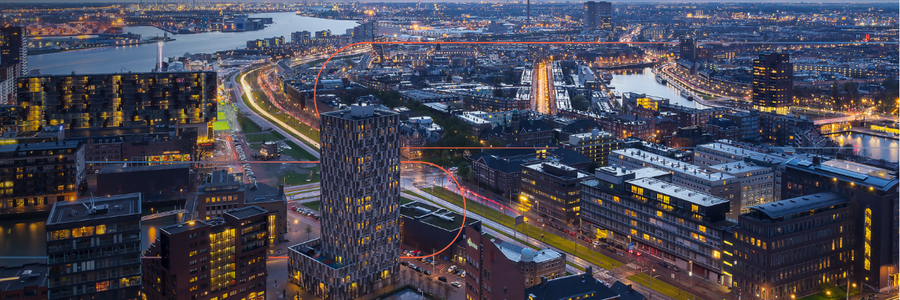
The Netherlands
De Boelelaan 7, 7th floor 1083 HJ Amsterdam The Netherlands

Luxembourg
7, rue Lou Hemmer L-1748 Senningerberg Luxembourg
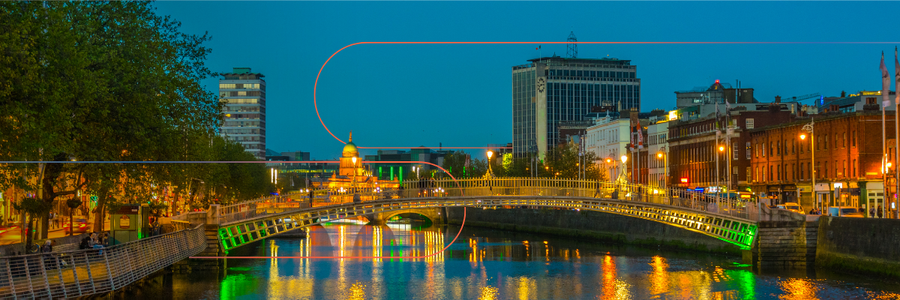
Ireland
Carriganore Waterford X91 P20H Ireland
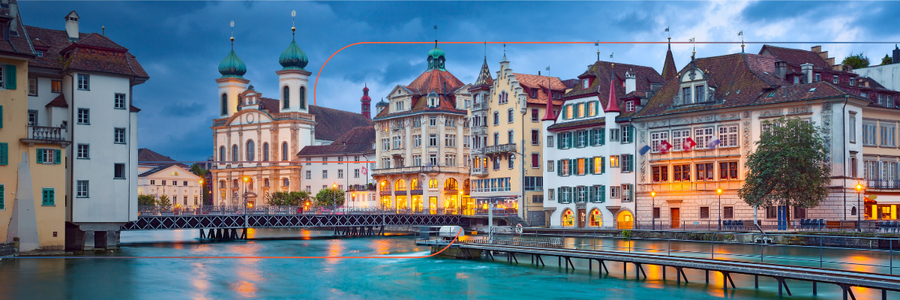
Switzerland
Schweizergasse 20 Zürich 8001 Switzerland
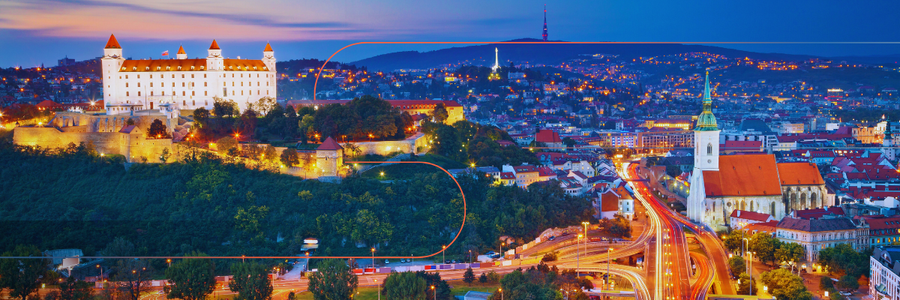
Slovakia
Karadžičova 16 821 08 Bratislava Slovakia
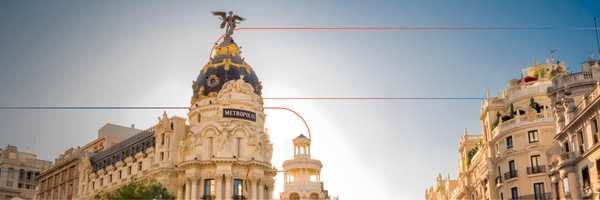
Spain
Calle Nicasio Gallego, nº19, entreplanta derecha (bajo derecha), 28010. Madrid, Spain
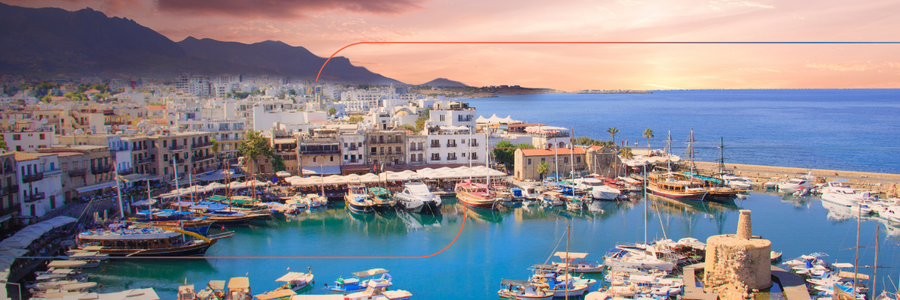
Cyprus
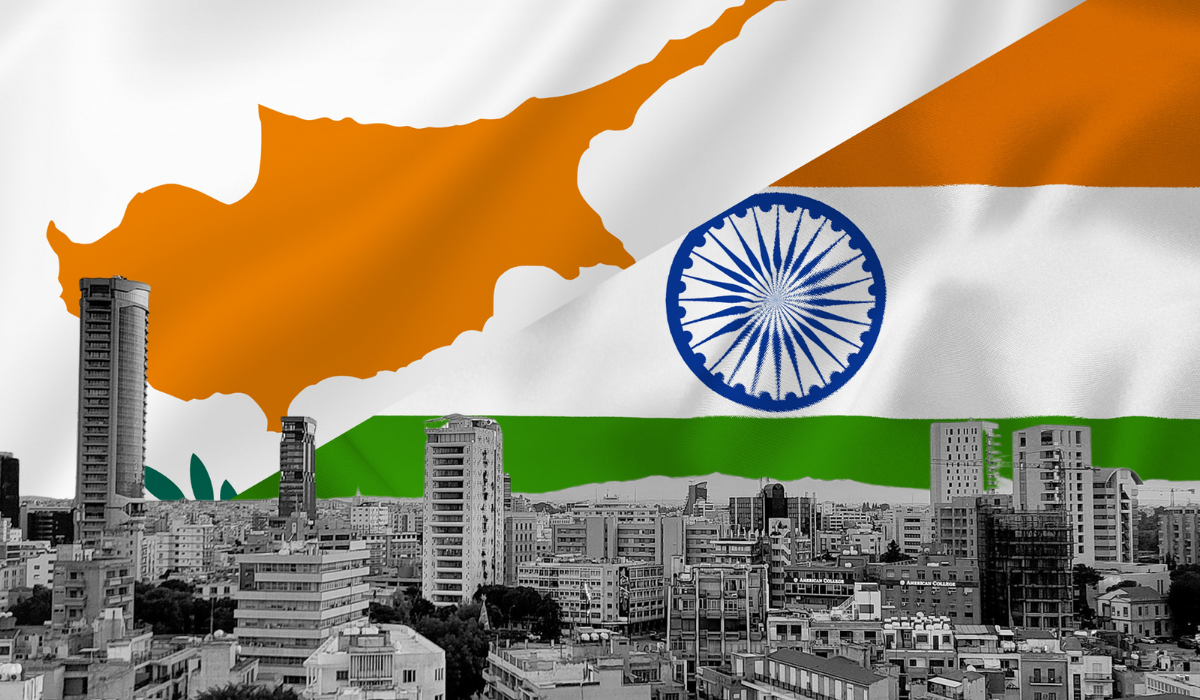
Kalimnou, Office 601 6037 Larnaca, Cyprus P.O. Box 22202 CY-1518 Nicosia, Cyprus
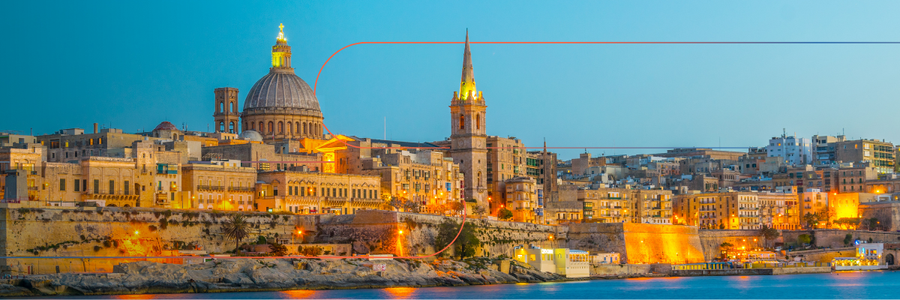
Malta
Ta’ Xbiex Seafront Ta’ Xbiex XBX1026 Malta
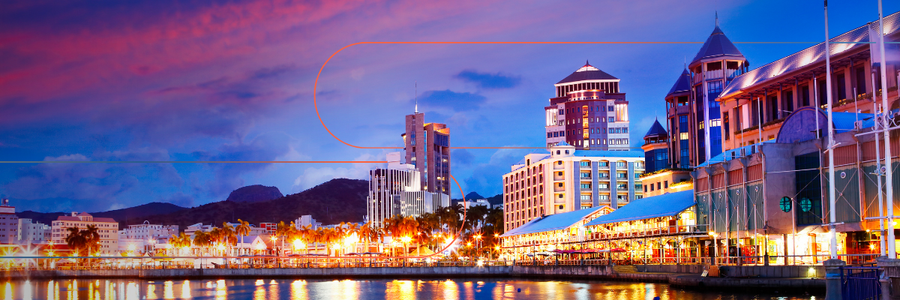
Mauritius
1st Floor, Vivea Business Park, Moka, Mauritius
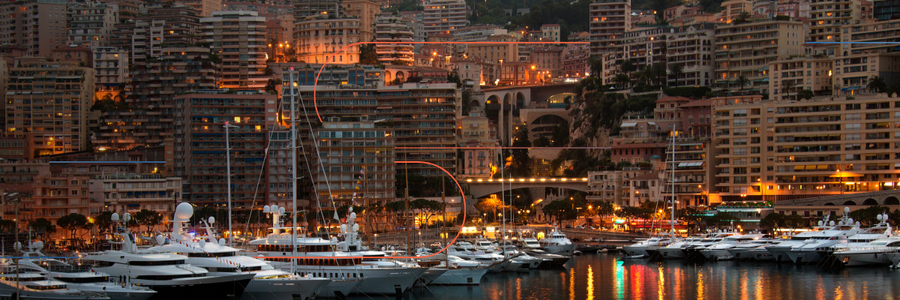
Monaco
57 rue Grimaldi MC 98000 Monaco

Beijing, China
Room 3028, 3rd Floor, No.26 Jing An Li, Chaoyang District, Beijing 100125, PRC
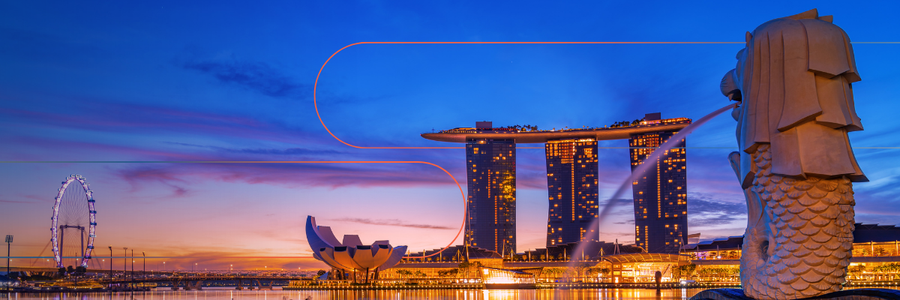
Singapore
80 Robinson Road #19-01A Singapore 068898 Singapore
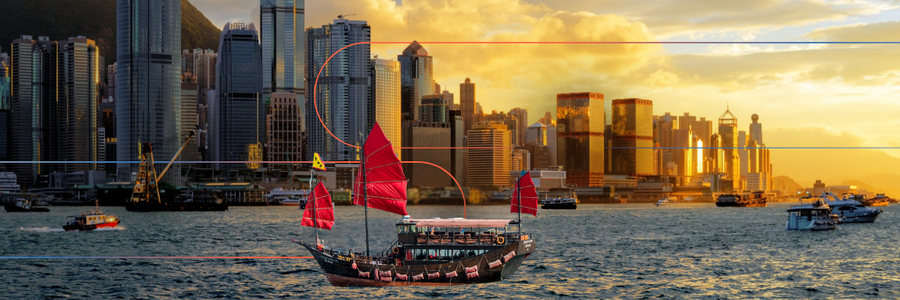
Hong Kong
Unit 2102 21/F, Golden Centre 188 Des Voeux Road Central Hong Kong

The Philippines
8th floor, Tower 1, Clark City Front, MA Roxas, 2023 Clark Freeport Zone, Pampanga The Philippines